

How to Buy Loose Diamonds Online Without Getting Scammed
24 September 2025
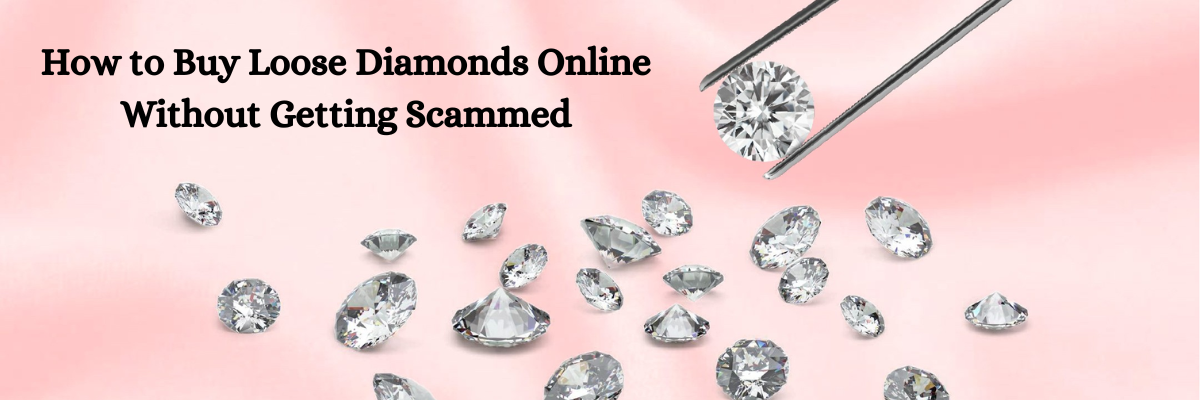
Buying diamonds online can feel risky. Many people worry about fake stones, hidden costs, or unclear details. The good news is that with the right checks, you can buy loose diamonds online safely and confidently. I’ve worked with diamonds for years and have seen both the good and the bad sides of online buying. This guide breaks it down so you know what to look for and how to protect your money.
Why People Buy Loose Diamonds Online
Loose diamonds are stones sold on their own without being set into jewellery. Many buyers prefer this because it gives them full control. You can choose the exact diamond you want and then decide later how to set it into a ring, pendant, or bracelet. Buying online also means you get access to more options than in a local store. Prices can be better too, but only if you know how to avoid scams.
The Risks of Buying Diamonds Online
There are real risks if you rush the process. Some sellers list fake stones as real. Others charge more than the market value. I once reviewed a stone that looked fine on paper but turned out to be lab-grown when the buyer wanted it natural. That mistake cost him thousands. These stories are common, which is why you need a plan before you buy loose diamonds online.
Step 1 Check Diamond Certification
The first step is to check for diamond certification. A certificate proves that an independent lab has tested and graded the stone. This document covers the 4Cs which are cut, colour, clarity, and carat weight. Without it, you cannot know what you are paying for.
Trusted labs include GIA, IGI, and HRD. If a seller cannot show a certificate, walk away. I once helped a friend compare two stones with the same carat size. The uncertified one looked cheaper, but when tested, it was off in both clarity and cut. In the end, the certified diamond was the real deal and held its value.
Step 2 Focus on Natural Diamonds
Many platforms now list lab-grown diamonds next to real ones. Both have their place, but the value is different. If you want long-term worth, choose natural diamonds. They are rare and carry better resale value.
Scams often happen when sellers mix lab-grown stones with natural ones. The difference is not always visible to the naked eye. Certification again is the best way to confirm. When you buy loose diamonds online, always check if the certificate says natural or lab-grown.
Step 3 Use a Diamond Price Guide
Another way to avoid scams is by checking a diamond price guide. This gives you the market range for stones of certain size, cut, and clarity. Prices do move based on demand, but guides help you spot overcharging.
For example, if a seller lists a 1-carat stone with average clarity at a price way above the guide, that’s a red flag. On the other hand, if it’s way below, it could be fake or treated. I always compare the seller’s price with at least one trusted price guide before making a decision.
Step 4 Study Seller Reviews and Reputation
Never buy from a seller with no reviews or poor ratings. Look for consistent feedback over time. Pay attention to comments about shipping, authenticity, and service. If a seller has worked in the trade for years and has repeat buyers, that is a good sign.
I once checked a seller who had hundreds of five-star reviews but also a few warnings about slow refunds. That told me they were real but not always fast with customer service. Better to know this upfront than find out later.
Step 5 Look for Secure Payment and Return Options
Safe platforms will give you a clear return policy and secure payment systems. Avoid sellers asking for direct bank transfers without any buyer protection. Credit cards and trusted payment gateways offer some cover if the deal goes wrong.
Step 6 Compare More Than One Stone
Don’t just look at one option and buy it straight away. Compare at least three similar diamonds with different sellers. Check their certificates, prices, and return terms. This makes it easier to see what is fair and what looks suspicious.
Common Online Diamond Scams
When you buy loose diamonds online, these are the scams I see most often
Fake Certificates
Some sellers forge diamond certification. The numbers may not match the lab’s official database. Always cross-check the report on the lab’s website.
Treated Stones Sold as Natural Diamonds
Heat or chemical treatments can make low-quality stones look better. Sellers sometimes hide this. Certification again protects you here.
Inflated Prices
Some sellers take advantage of new buyers by listing stones way above market price. That’s why the diamond price guide is key.
No Return Policy
If a seller doesn’t allow returns, be careful. A fair seller will always let you send the stone back if it doesn’t match what was promised.
How to Check Quality Yourself
Even with certification, it helps to know the basics. Always check the 4Cs carefully. Look at high-resolution photos and videos if buying online. Ask for details like fluorescence and symmetry. A serious seller will provide them.
When I bought a diamond online for testing, I asked for a video under normal light and another under UV light. This showed how the stone looked in real life, not just in studio lighting. That extra step gave me peace of mind.
Why Buying Online Can Still Be Worth It
Despite the risks, buying online can be smart. You often get more choices and better deals. Plus, you can take your time to compare options without sales pressure. The key is to stick to certified natural diamonds, use a diamond price guide, and only buy from trusted sellers.
Conclusion
If you want to buy loose diamonds online without getting scammed, the process is simple but requires discipline. Always check diamond certification. Focus on natural diamonds if you want lasting value. Use a diamond price guide to avoid overpaying. And choose sellers with clear policies and good reputations.
Online buying is safe when done with care. For buyers who want both trust and variety, companies like DiamondXE provide certified natural diamonds, transparent pricing, and secure transactions. With the right approach, you can shop online with confidence and find a diamond that’s truly worth the investment.
FAQs
1. What is the safest way to buy loose diamonds online?
The safest way is to only buy certified stones from trusted sellers with strong reviews and clear return policies.
2. Why is diamond certification important?
Certification proves the diamond’s quality and confirms if it is natural or lab-grown. It protects you from scams.
3. Are natural diamonds better than lab-grown for investment?
Yes. Natural diamonds are rare and tend to hold better long-term value compared to lab-grown stones.
4. How can I check if the price is fair?
Use a diamond price guide and compare similar stones from different sellers before paying.
5. What should I do if the diamond I get looks different from the listing?
Contact the seller right away and request a return if the stone doesn’t match the certificate or the online details.
6. Where to buy diamonds—India or USA?
You can safely buy from either country, but DiamondXE in India offers internationally certified natural diamonds, competitive pricing, and global shipping—so you get the best of both worlds.
7. Best brand to buy diamonds in India?
DiamondXE is the top choice for certified loose natural diamonds in India, providing GIA/IGI certification, transparent pricing, and secure transactions.
8. Can I buy loose diamonds online in India?
Yes. DiamondXE specializes in selling certified loose diamonds online with clear 4C grading, verified certificates, and secure payment and return options.
Recent post
Why Diamond Fluorescence Matters More Than Most Buyers Realise
12 June 2026
What Makes a Diamond Valuable? Understanding the 5 Factors Beyond the 4Cs
5 June 2026
What Is a Diamond Inventory API? Complete Guide for Jewellers, Resellers & Suppliers (2026)
26 May 2026
Share
Like us on facebook
Saurabh Chachiya is an SEO, AI and performance marketing specialist with 5+ years of experience in driving organic growth, improving search visibility and generating qualified leads. I specialise in technical SEO, on-page optimisation and AI-driven search strategies, including AEO and GEO.
My expertise also extends to the luxury jewellery industry, where I specialise in building premium brand visibility, improving organic discovery, and creating high-converting digital growth strategies for modern jewellery brands.”
I have successfully scaled websites to 35K+ users, achieved 80%+ keywords on Google Page 1, and increased search impressions to 450K+, delivering consistent, data-driven results across industries.
YOU MAY ALSO LIKE
DiamondXE © 2026. All Rights Reserved.

This website uses cookies to ensure you get the best experience on our website. Cookies Policy