

Jewellery Preferences in India: Trends and Insights
4 September 2024
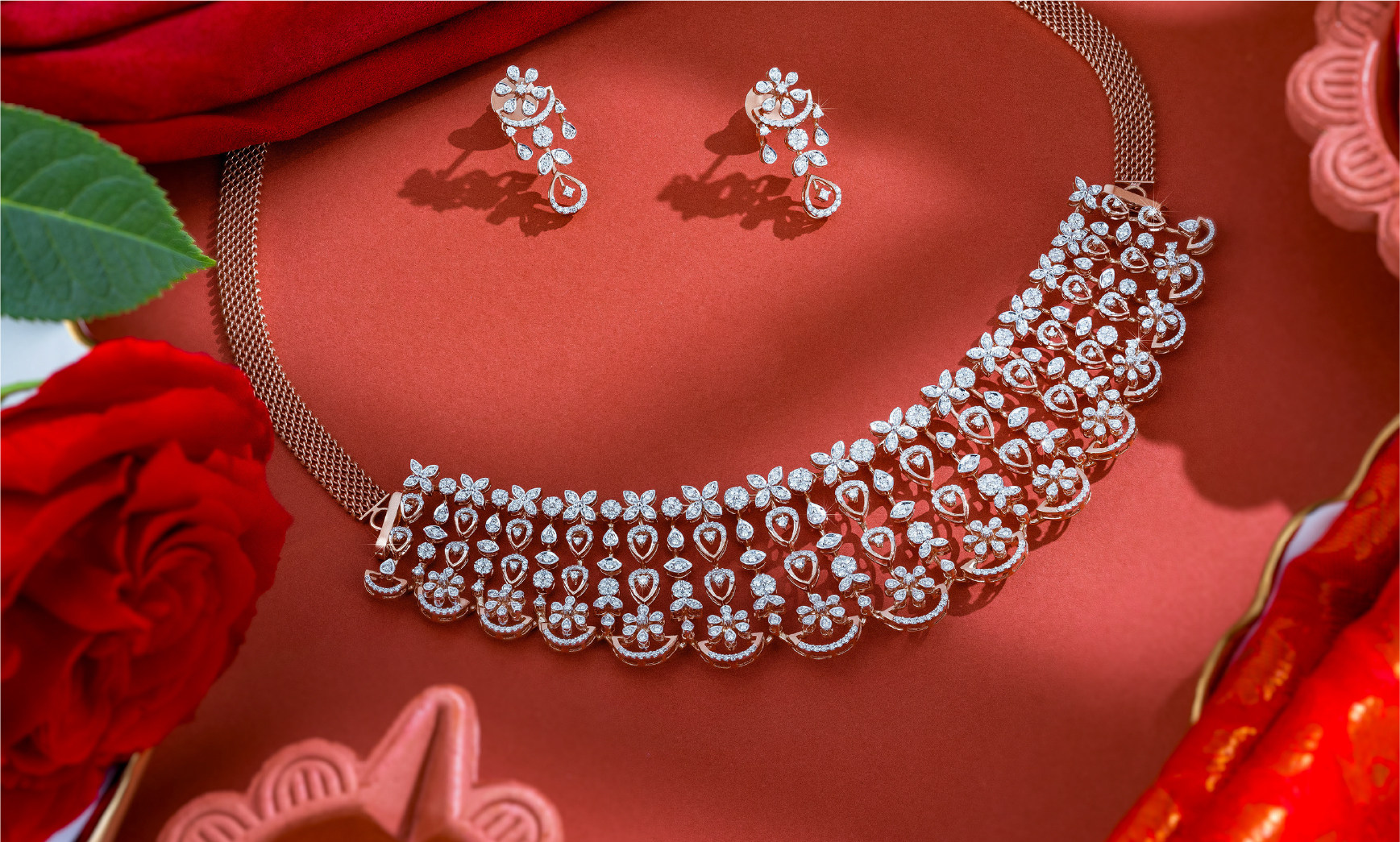
When it comes to jewellery and ornaments, India has a rich cultural heritage deeply intertwined with its love for opulence and adornment. Jewellery holds a special place in the hearts of the Indian people, with abundant choices ranging from traditional gold pieces to exquisite diamonds, and precious stones. While gold has long been cherished for its shimmering allure and investment value, diamonds and other precious stones have witnessed intriguing shifts over the years, reflecting evolving preferences in a rich cultural heritage. Below, we delve into the fascinating world of Indian jewellery, exploring the trends, changes over the years, and variations across age groups, income levels and geographical regions.
Gold: A Timeless Favourite
Gold has an enduring charm in the Indian jewellery landscape, and has long been the go-to choice for the Indian customer. Its lustrous appeal, significant cultural and religious symbolism, and investment value have made it an integral part of every Indian's jewellery collection. From ornate necklaces and bangles to intricately crafted earrings and rings, gold jewellery is cherished and considered auspicious for weddings, festivals and special occasions.
The World Gold Council reports that India consistently ranks as one of the world's largest consumers of gold jewellery, with the total gold demand reaching 797.3 tonnes in 2021.
Diamonds: The Sparkling Trendsetter
While gold continues to hold its prime position, the affinity for diamonds has witnessed a remarkable surge in popularity in recent years among Indian consumers. The allure of their timeless elegance, brilliance, versatility and status symbol has captivated the hearts of jewellery enthusiasts, both women and men. The Gem & Jewellery Export Promotion Council (GJEPC) highlights a growing preference for diamond jewellery, especially among urban Indians and the younger generation. Diamonds are now cherished not only for their aesthetic appeal, but also as a symbol of success and modernity. They are now more commonly seen in engagement rings, pendants, earrings and bracelets.
A Kaleidoscope of Precious Stones
Beyond gold and diamonds, the Indian jewellery market embraces a diverse array of precious stones. Traditional gemstones like rubies, emeralds, and sapphires hold a special place in Indian culture. These stones are often incorporated into intricate designs, adding vibrancy and depth to jewellery pieces. However, as India continues to evolve, the demand for contemporary and unique gemstones like tanzanite, aquamarine and tourmaline is also on the rise, particularly among the younger generation seeking exclusivity and personal expression.
Evolving Trends Across Demographics
Age Groups
Younger Generation: Millennials and Gen Z exhibit a greater inclination towards contemporary designs, minimalistic jewellery, and experimenting with unconventional metals. They are more open to embracing fusion styles and exploring non-traditional gemstones.
Older Generation: The older demographic tends to cherish traditional gold jewellery, often adorned with intricate craftsmanship and religious motifs. They value heirloom pieces passed down through generations.
Income Groups
Affluent Class: The upper echelons of society show a penchant for high-end luxury jewellery brands, exquisite diamond pieces and customized designs. They seek exclusivity and uniqueness in their ornaments.
Middle Class: The middle-income group generally prefers a blend of traditional and modern designs, opting for gold jewellery studded with diamonds or gemstones. They prioritize a balance between aesthetics and affordability.
The average spending on diamond jewellery among Indian customers depends on various factors such as personal preferences, occasion, income level and cultural traditions. It also varies significantly based on the type of jewellery piece, design, quality of diamonds, and brand. Diamonds are available in various sizes, qualities and settings, which can affect the price range. Additionally, the carat weight, cut, color, and clarity of the diamonds contribute to the overall cost.
However, traditionally, gold jewellery has been more popular and widely purchased in India due to its cultural significance, auspiciousness, and long-term investment value. Gold has been a preferred choice for weddings, festivals and other special occasions. That being said, the trend of diamond jewellery has been steadily increasing in India, especially among the younger generation and urban population. As the influence of Western culture grows and personal preferences evolve, more people are embracing diamond jewellery as a symbol of modernity, elegance and self-expression, and gradually allocating a portion of their budget to purchase diamond pieces, especially for special occasions or as gifts.
Overall, while gold jewellery continues to dominate the Indian market in terms of average spending, the preference for diamond jewellery is on the rise, reflecting changing consumer tastes and the desire for more contemporary and fashionable accessories.
Geography
North India: Known for its love for heavy gold jewellery and traditional designs, North India emphasizes intricate craftsmanship, Kundan, and Polki work.
South India: South India boasts a strong affinity for gold jewellery, particularly temple jewellery adorned with motifs inspired by deities. They also embrace antique jewellery styles like Nakshi and Kasu Mala.
Metropolitan Cities: Urban centers like Mumbai, Delhi, and Bangalore showcase a diverse mix of traditional and contemporary jewellery styles. They offer a wide range of choices, from high-end luxury brands to local designer boutiques.
The ever-evolving landscape of Indian jewellery preferences, gold remains an eternal favourite, cherished for its intrinsic value and cultural significance. However, the rising popularity of diamonds and the embrace of diverse gemstones reflect a shifting paradigm, driven by changing demographics, evolving fashion trends, and a desire for individuality. As India's jewellery market continues to thrive, it promises a fascinating blend of tradition and modernity, where personal style and heritage coalesce in a dazzling display of adornment.
Recent post
Share
Like us on facebook
YOU MAY ALSO LIKE
Why Diamond Fluorescence Matters More Than Most Buyers Realise
12 June 2026
Certified natural diamond showing blue fluorescence under ultraviolet light
What Makes a Diamond Valuable? Understanding the 5 Factors Beyond the 4Cs
5 June 2026
Discover the key factors beyond the 4Cs that influence diamond value and worth.
What Is a Diamond Inventory API? Complete Guide for Jewellers, Resellers & Suppliers (2026)
26 May 2026
Complete guide to Diamond Inventory APIs for modern jewellers and dealers.
DiamondXE © 2026. All Rights Reserved.

This website uses cookies to ensure you get the best experience on our website. Cookies Policy