

The Craft Behind Perfectly Matched Diamond Earring Pairs
4 February 2026
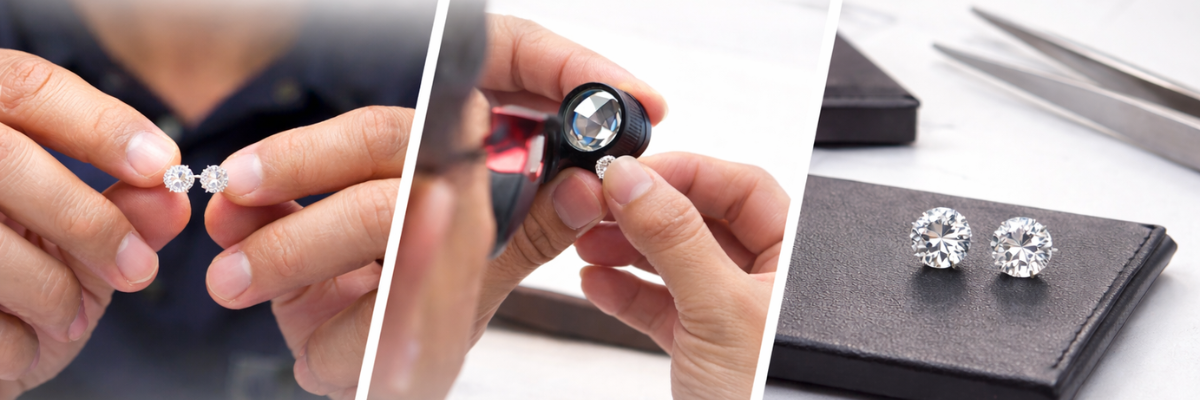
Matched diamond earrings look simple at first. You see two diamonds that should give the same shine on both sides of your face. But once you have watched real matching happen at a sorting table, you see why it takes time. I have sat with graders, buyers and setters while they rejected stone after stone that looked fine on paper. Matching relies on what you see. It gets checked again and again under different lights. It is finished only when the setting holds both stones in the same way.
If you are shopping for solitaire earrings online, the craft matters even more. You cannot hold the pair, move it under daylight, or spot tiny differences at arm’s length. It depends on how carefully the pair was chosen, measured and set before it ever reached a product page.
What 'matching' means in matched diamond earrings
Matched diamond earrings are not matched just because two certificates look similar. Lab reports are a good starting point, but the final call is made by eye.
Two diamonds can share similar cut, colour, clarity and carat and still look different when viewed from the top. One may throw brighter flashes. One may show a darker area near the centre when you turn your head. One may look a touch warmer, even within the same grade range. A proper pair is chosen so the visible size, brightness pattern and overall tone sit in balance.
This is why matching is slow. The stones are compared side by side under controlled light. Then they are checked again under softer everyday light. Then someone steps back to see what the pair looks like at a distance; people actually look at earrings. That last step is where many pairs fail.
Matched diamond earrings and why cut consistency wins
The cut is usually the first place a pair falls apart. Cut controls how light travels inside the diamond, and that decides how lovely it looks on the ear.
Even when two diamonds have strong cut grades, small differences in symmetry and proportion can change the sparkle pattern. One diamond can look sharper and faster. The other can look slightly calmer. In a ring you may not notice. In a pair of studs you will.
When I have seen matching done well, the strongest pairs are the ones with the closest light behaviour, not just the closest grades. That is why cut consistency matters so much for matched diamond earrings, especially if you wear them often.
Colour matching that works in real light
Colour grading is done in controlled conditions. Earrings are worn in daylight, indoor light, office light, and evening light. That gap is where mismatches show up.
Diamonds inside the same colour grade can still vary. Some lean warmer. Some look brighter when viewed from the top. When selecting a pair, the goal is the same visual tone, not just the same letter on a report.
The metal matters too. Yellow gold can make diamonds look warmer. White gold and platinum can make warmth easier to spot. If you plan to buy diamond earrings in a white metal, it can help to be stricter on tone match, even if the grades already look close.
Clarity matching without chasing perfection
A match is not about flawless stones. It is about equal in cleanliness when worn.
Two diamonds can have the same clarity grade but show inclusions differently. One inclusion may sit under a prong. Another may sit near the centre. One stone looks clean. The other draws your eye. That is a mismatch, even if the paperwork lines up.
A good matcher checks inclusion type, placement, and how visible it is at normal viewing distance. The goal is that both diamonds look equally clean in the ear. For most buyers, that gives better value than paying extra for grades you will not see.
Size matching is measured in millimetres.
Carat weight is not the same as visible size. Two diamonds can weigh the same and still look different in size when viewed from the top.
For a balanced pair, the diameters need to be very close. Even a small difference can show because your face gives an instant side-by-side comparison. Depth and spread matter too. A deeper stone may look smaller even at the same weight.
When people buy diamond earrings and later feel something looks off, it is often this. The stones were paired by weight and grade, not by visible size and light behaviour.
Setting is part of the craft.
Matching does not stop at stone selection. The setting can change the way the diamonds look.
Prong thickness, prong placement and the height of each seat affect how much diamond you see and how light enters. A great pair can look uneven if one stone sits slightly higher or tilts by a fraction.
In the best workshops, both earrings are treated as one build. The setter checks them together, adjusts them together, and signs off only when the pair looks even at the distance most people view earrings.
Technology helps, but the final check is still human.
Modern platforms can use AI tools to analyse proportions and light performance. That makes the first stage of pairing faster and more consistent. It reduces obvious mismatches and narrows the search.
But the final check still comes down to a trained eye. I have seen pairs that looked perfect in measurements but felt uneven when compared side by side. Light patterns can be subtle, and humans are good at spotting imbalance. That mix of technology and workshop judgement is where strong matching comes from.
Buying matched diamond earrings online with confidence
When you are choosing solitaire earrings online, look for signs that the pair were intentionally matched.
You want certification details for both stones, clear images, and measurements that show visible size. You also want a return window that lets you check the pair in your own lighting at home.
At DiamondXE, the approach is built around trust and clarity. Certified natural diamonds and certified lab-grown diamonds are supported with transparent product details, expert guidance, and AI tools that help shortlist suitable pairs. After that, the pair is checked visually so it looks balanced in real light. Secure and free shipping and a seven-day refund policy make online buying less stressful, especially for first-time buyers.
Conclusion
Matched diamond earrings are the result of small decisions made carefully. Cut behaviour, colour tone, visible size, and clarity balance all need to line up. Then the setting has to hold that match so the pair stays even on the ear. When the craft is done right, matched diamond earrings look effortless. They sit there and look the same, which is exactly what a good pair should do.
FAQs
-
What should I check first when buying matched diamond earrings?
Start with a cut and visible size. If the light behaviour and diameter are close, the pair are more likely to look balanced when worn.
-
Are matched diamond earrings harder to match in fancy shapes?
Yes. Fancy shapes can show more obvious differences in outline and sparkle pattern. Round brilliants are often easier to match tightly.
-
Does a certificate guarantee matched diamond earrings?
No. Certificates help narrow the range, but visual matching still matters because two diamonds with similar grades can look different when worn.
-
Is it safe to choose solitaire earrings online?
It can be if the seller provides certification for both stones, clear images, matching measurements, and a fair return policy.
-
Why do some pairs cost more even with similar grades?
Because true pairing takes time, and many stones are rejected. The price often reflects selection work, careful comparison, and setting checks done as a pair.
Recent post
Share
Like us on facebook

Saurabh Chachiya is an SEO, AI and performance marketing specialist with 5+ years of experience in driving organic growth, improving search visibility and generating qualified leads. I specialise in technical SEO, on-page optimisation and AI-driven search strategies, including AEO and GEO.
My expertise also extends to the luxury jewellery industry, where I specialise in building premium brand visibility, improving organic discovery, and creating high-converting digital growth strategies for modern jewellery brands.”
I have successfully scaled websites to 35K+ users, achieved 80%+ keywords on Google Page 1, and increased search impressions to 450K+, delivering consistent, data-driven results across industries.
YOU MAY ALSO LIKE
DiamondXE © 2026. All Rights Reserved.

This website uses cookies to ensure you get the best experience on our website. Cookies Policy