

The Future of Diamonds in the Global Jewellery Market
11 September 2025

The Future of Diamonds in the Global Jewellery Market
Diamonds have always symbolized beauty, love, and timeless luxury. Yet, the future of diamonds is shifting in profound ways that affect every aspect of the global jewellery market. For decades, diamonds have been valued for their sparkle, rarity, and emotional meaning. Today, however, new forces such as technology, ethical considerations, sustainability, and evolving consumer preferences are reshaping the entire trade. Recent diamond industry news highlights a market moving toward more openness, innovation, and smarter business practices. These diamond trends are not just passing phases—they are already shaping the foundation of tomorrow’s jewellery industry.
The Global Jewellery Industry Moves Ahead
The global jewellery market has always been closely tied to culture, heritage, and celebration. For centuries, diamonds have been at the center of weddings, engagements, and milestones. But today’s buyers, especially millennials and Gen Z, are rewriting the rules. They are younger, better informed, and far more conscious of where their diamonds come from. Certification, traceability, fair sourcing, and ethical practices are no longer “add-ons”—they are expectations.
At the same time, the industry is experiencing a geographic rebalancing. Demand is no longer dominated by Western markets. Instead, regions like India, China, and the UAE are becoming powerful forces in both supply and demand. India continues to dominate cutting and polishing, China drives global buying patterns with sheer scale, and the UAE is emerging as a leading hub for diamond trading. The future of diamonds will be shaped by the interaction of these regions, their economic strategies, and their cultural influences.
Diamond Trends Reshaping the Trade
1. Digital Trading and Platforms
One of the most powerful diamond trends is the rapid adoption of digital platforms. In the past, diamond trading was heavily reliant on physical auctions, personal networks, and closed circles of dealers. Now, platforms are opening up the trade by allowing jewellers, dealers, and even investors to connect directly with certified suppliers worldwide.
This shift delivers speed, transparency, and trust. Sellers gain access to wider markets, while buyers enjoy clarity on price, origin, and certification. As artificial intelligence, blockchain, and data-driven tools continue to evolve, the future of diamonds will lean even more on technology. From virtual try-ons and augmented reality to digital ledgers for ownership records, these tools are set to transform how diamonds are purchased, owned, and resold.
2. Ethical and Transparent Sourcing
In recent years, the call for ethical sourcing has grown louder. Modern consumers want proof that their diamonds are mined responsibly, free from conflict, and traded with fairness. This reflects a deeper cultural shift: buyers are no longer satisfied with beauty and size alone—integrity and transparency now hold equal weight.
Diamond industry news consistently points to how sourcing practices influence reputation. Companies that fail to provide clear sourcing information risk losing customer trust, while those that embrace ethical certification gain long-term loyalty. In this new era, honesty is part of value. Diamonds with transparent origins are seen as more desirable, making ethical practices a crucial part of the future jewellery market.
3. Rare and Coloured Stones as Assets
While traditional white diamonds remain iconic, interest in rare and fancy-coloured diamonds—such as pinks, blues, and yellows—is rising. These stones are not only breathtaking but also increasingly viewed as long-term investment assets. Collectors, investors, and even auction houses recognize that rarity and individuality can drive value as much as tradition.
For the global jewellery market, this represents a fascinating trend: diamonds are no longer seen just as symbols of romance but also as tangible stores of value. With gold continuing its role as a financial anchor, rare diamonds are carving out their own niche as alternative assets with both emotional and financial meaning.
4. Personalisation and Meaning
Another powerful shift is the demand for personalisation. Buyers want diamonds that tell a story—stones that are unique, custom-designed, and deeply meaningful. Solitaire rings, once considered the standard, are now being replaced with bespoke jewellery pieces that reflect individuality.
Technology plays a key role here. 3D design, custom cuts, and personalized engravings allow jewellers to deliver unique experiences. Beyond the sparkle, buyers want a connection to their diamond, whether through a custom design, a rare cut, or even digital certificates of authenticity. This emotional connection ensures that diamonds remain not just objects of beauty but powerful markers of memory and identity.
What’s New in the Diamond Industry
Recent diamond industry news highlights both risks and opportunities for the trade. Natural diamond prices have fluctuated in recent years due to supply chain issues, shifting demand, and increasing competition from alternatives. Yet, these challenges also fuel innovation.
Industry leaders are experimenting with digital-first services such as virtual try-ons, blockchain-based certification, and permanent digital records. Such innovations promise to improve trust and accessibility. For the global jewellery market, the future lies in blending tradition with technology—retaining the timeless allure of diamonds while embracing tools that make the trade smarter, faster, and more transparent.
Regional Shifts in the Global Jewellery Market
The power centers of the global jewellery market are undergoing transformation:
- India remains the cornerstone of diamond cutting and polishing, supplying much of the global industry.
- The UAE continues to strengthen its role as a major trading hub, attracting buyers and sellers from across the globe.
- China is reshaping demand patterns with its sheer scale, influencing both pricing and design trends.
Together, these regions will determine the future of diamond pricing, distribution, and consumer preferences. The balance of influence is no longer one-sided—it’s shared across continents.
Diamonds as Investment
Traditionally, gold has been the standard for wealth preservation. But in recent years, diamonds—especially rare and high-quality stones—are increasingly seen as valuable investment assets. Unlike gold, each diamond is unique, carrying both emotional weight and financial significance. Investors view them not just as luxury purchases but also as tangible, portable assets with potential long-term appreciation.
This dual role of diamonds—as both symbols of love and financial instruments—will likely become stronger in the coming years.
Challenges Ahead
Despite opportunities, the industry faces real challenges. Diamond industry news often points to volatile pricing, supply chain disruptions, and inconsistent regulations. Stronger global standards on sourcing, trade, and grading are urgently needed. Without them, consumer trust can quickly erode.
The future of diamonds depends heavily on how these issues are managed. Ensuring transparency, regulating markets, and strengthening ethical practices will be vital for the industry’s credibility and stability.
Opportunities Ahead
On the brighter side, the opportunities are immense. Digital trading, ethical sourcing, rare stones, personalisation, and advanced certification systems all open new avenues for growth. By focusing on trust, quality, and innovation, the global jewellery market can thrive in the years to come.
First-Hand Perspective
Having observed the diamond business up close, one truth stands out: trust matters more than marketing. Buyers don’t just want a diamond—they want honesty and reassurance. They ask where the diamond came from, they look for certification, and they expect fair pricing.
A buyer who feels confident will not only complete their purchase but also return in the future. In this sense, trust is the most valuable currency in the diamond industry.
GIA Updates: What the Latest Diamond Industry News Means
The Gemological Institute of America (GIA) recently announced a significant update. Beginning October 1, 2025, they will no longer grade lab-grown diamonds using the traditional four Cs (cut, colour, clarity, and carat). Instead, they will classify them into broader categories such as Premium or Standard, or withhold certification entirely if stones don’t meet minimum standards.
Every graded stone will also carry a laser inscription with “laboratory-grown” and a report number. This marks a clear separation between natural and lab-grown diamonds, reinforcing the uniqueness and authenticity of natural stones. For the global jewellery market, this update is critical—it signals that consumers will have a clearer understanding of value and origin, shaping how the industry positions different types of diamonds.
Looking Ahead at the Future of Diamonds
The future of diamonds is not a single story but many interconnected ones. Technology is transforming how we trade, ethics are reshaping demand, rare stones are redefining value, and global regions are driving new market dynamics. The GIA’s update is only the latest step in creating clarity and distinction in the industry.
One constant remains unchanged: diamonds hold meaning because they represent memory, love, and permanence. No matter how the industry evolves, this emotional bond ensures that diamonds will always retain their special place in the human story.
DiamondXE and the Future
One company that embodies this evolving landscape is DiamondXE. Based in India and the UAE, DiamondXE offers a digital-first platform that connects sellers, dealers, and jewellers in an ecosystem built on trust, transparency, and ethical practices. By focusing on certified stones, open pricing, and customer confidence, DiamondXE is contributing directly to shaping the future of diamonds in the global jewellery market.
FAQs
1. What is the future of diamonds in the global jewellery market?
The future points toward digital platforms, ethical sourcing, transparent grading, and growing interest in rare stones as assets.
2. What recent diamond industry news is changing things?
The GIA’s grading update for lab-grown diamonds, along with advances in digital certification and trading tools, is shaping industry practices.
3. How is the global jewellery market changing?
New leadership is emerging from India, the UAE, and China, spreading influence beyond traditional Western markets.
4. What diamond trends are emerging?
Personalisation, rare colored stones, ethical sourcing, and tech-driven trade are among the strongest diamond trends.
5. How does GIA’s update affect the future?
It helps distinguish natural from manufactured stones, shaping perceptions of authenticity, value, and consumer trust.
Recent post
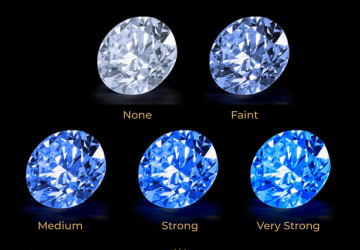
Why Diamond Fluorescence Matters More Than Most Buyers Realise
12 June 2026
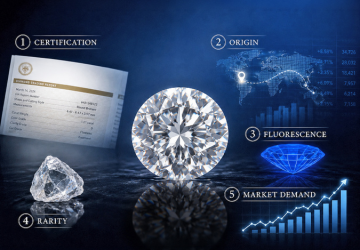
What Makes a Diamond Valuable? Understanding the 5 Factors Beyond the 4Cs
5 June 2026
What Is a Diamond Inventory API? Complete Guide for Jewellers, Resellers & Suppliers (2026)
26 May 2026
Share
Like us on facebook

Saurabh Chachiya is an SEO, AI and performance marketing specialist with 5+ years of experience in driving organic growth, improving search visibility and generating qualified leads. I specialise in technical SEO, on-page optimisation and AI-driven search strategies, including AEO and GEO.
My expertise also extends to the luxury jewellery industry, where I specialise in building premium brand visibility, improving organic discovery, and creating high-converting digital growth strategies for modern jewellery brands.”
I have successfully scaled websites to 35K+ users, achieved 80%+ keywords on Google Page 1, and increased search impressions to 450K+, delivering consistent, data-driven results across industries.
YOU MAY ALSO LIKE
Why Diamond Fluorescence Matters More Than Most Buyers Realise
12 June 2026
Certified natural diamond showing blue fluorescence under ultraviolet light
What Makes a Diamond Valuable? Understanding the 5 Factors Beyond the 4Cs
5 June 2026
Discover the key factors beyond the 4Cs that influence diamond value and worth.
What Is a Diamond Inventory API? Complete Guide for Jewellers, Resellers & Suppliers (2026)
26 May 2026
Complete guide to Diamond Inventory APIs for modern jewellers and dealers.
DiamondXE © 2026. All Rights Reserved.

This website uses cookies to ensure you get the best experience on our website. Cookies Policy