

Why are Lab-grown diamonds so popular?
1 August 2023

Introduction
Diamonds have been highly sought after for centuries, and have traditionally been viewed as symbols of love, commitment, and luxury. However, in recent years, there has been a significant shift in the diamond market, with more and more consumers purchasing Lab-grown diamonds instead of Natural diamonds. In this article, we will explore why consumers are opting for lab-grown diamonds, and what benefits they offer.
What are Lab-created diamonds?
Lab-created diamonds, also known as lab-grown diamonds, synthetic diamonds, or cultured diamonds, are diamonds that are created in controlled laboratory environments using advanced technological processes that mimic the natural diamond formation process. These diamonds have the same chemical composition and crystal structure as natural diamonds, making them identical in appearance and properties. The process of creating lab-grown diamonds involves two main methods, High Pressure High Temperature (HPHT) and Chemical Vapor Deposition (CVD). Lab-created diamonds are an excellent choice for individuals seeking a stunning and ethically conscious alternative to natural diamonds, without compromising on beauty, durability, or value.
Why more consumers are purchasing Lab-grown diamonds
Cost Effectiveness:
One of the primary reasons consumers are purchasing lab-grown diamonds is due to the significant cost savings they offer compared to natural diamonds. Lab-grown diamonds can be produced at a much lower cost than natural diamonds, as they do not require the extensive mining and processing that natural diamonds do. As a result, lab-grown diamonds can often be purchased for up to 30% less than their natural counterparts.
Furthermore, lab-grown diamonds often offer better value for money, as they can be produced to exact specifications, ensuring that they have excellent clarity, colour, and cut. Natural diamonds, on the other hand, can vary significantly in quality, and may be more expensive due to their rarity and unique characteristics.
Ethical and Environmental concerns:
Another reason for consumers turning to lab-grown diamonds is due to concerns over the ethical and environmental impact of mining natural diamonds. Mining diamonds can have a significant impact on the environment, including displacement of the earth, soil erosion and climate change. Additionally, mining can often involve dangerous and exploitative labour practices, particularly in developing countries.
Lab-grown diamonds, on the other hand, are produced in a controlled environment using renewable energy sources, and do not require the extensive mining and technological costs that natural diamonds do. As a result, lab-grown diamonds are often viewed as a more ethical and environment friendly alternative to natural diamonds.
Quality and Consistency:
Lab-grown diamonds are produced in a controlled environment, which allows for a greater degree of consistency and quality control than natural diamonds. Natural diamonds can vary significantly in terms of their colour, clarity, and cut, which can make it difficult for consumers to find the perfect diamond for their needs.
Lab-grown diamonds, on the other hand, can be produced to exact specifications, ensuring that they have a consistent level of quality and size. This can make it easier for consumers to find a diamond that meets their exact needs and preferences.
Innovation and Creativity:
One of the lesser-known benefits of lab-grown diamonds is that they offer greater opportunities for innovation and creativity in diamond design. As lab-grown diamonds can be produced in a range of sizes, shapes, and colours, they offer a greater degree of flexibility for designers and jewellery makers.
This can result in a wider range of creative and unique diamond designs, which can be customized to suit individual tastes and preferences. Furthermore, as lab-grown diamonds are produced in a controlled environment, they can be produced to exact specifications, allowing for greater precision and accuracy in diamond cutting and shaping.
Sustainable Diamonds:
Lab-grown diamonds are sustainable due to ethical sourcing, conflict-free nature, reduced carbon footprint, and water conservation. The process requires less energy, reuses existing materials, and preserves natural habitats. Their controlled production ensures a consistent supply, reducing pressure on natural resources.
Opting for lab-grown diamonds promotes environmental responsibility and supports innovation in sustainable practices. These diamonds offer consumers an ethical and eco-friendly alternative to traditional mined diamonds, making them a conscious choice for those prioritizing sustainability in their purchases.
Similar to Natural Diamonds
Lab-grown diamonds are virtually identical to natural diamonds in appearance, durability and desirability. They exhibit the same optical and physical properties, possessing the brilliant sparkle and fire that make diamonds so coveted. Both types have the same hardness on the Mohs scale, making them equally durable and suitable.
Lab-grown diamonds also share the same allure and prestige as natural diamonds, making them a sought-after choice for engagement rings and fine jewellery. With their indistinguishable qualities, lab-grown diamonds offer a responsible and ethical option without compromising on the beauty and desirability of a genuine diamond.
Ease of Availability:
Finally, one of the key benefits of lab-grown diamonds is their availability and accessibility. As lab-grown diamonds can be produced in a range of sizes and shapes, they are often more readily available than natural diamonds, which can be rare and difficult to find.
Furthermore, as lab-grown diamonds are often more affordable than natural diamonds, they are more accessible to a wider range of consumers, allowing more people to experience the beauty and luxury of diamonds.
Final Thoughts & Conclusion
To conclude, lab-grown diamonds offer a range of benefits that are driving more and more consumers to prefer them over natural diamonds. From ethical and environmental concerns, to cost savings, quality control, and creative flexibility, lab-grown diamonds offer a compelling alternative to natural diamonds that is well worth considering. As technology continues to advance, it is likely that lab-grown diamonds will become even more indistinguishable from natural diamonds, making them an even more attractive option for consumers who value affordability, sustainability, and quality.
However, it's important to note that some consumers may still prefer natural diamonds for their unique characteristics and sentimental value. Ultimately, the decision between natural and lab-grown diamonds comes down to individual preferences and values. Regardless of which option consumers go for, it's important to ensure that the diamonds they purchase are ethically sourced and of high quality. By doing so, consumers can enjoy the beauty and luxury of diamonds while also supporting sustainable and responsible practices in the diamond industry.
Recent post
Share
Like us on facebook
YOU MAY ALSO LIKE
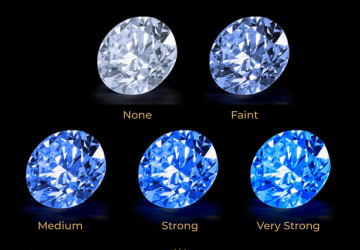
Why Diamond Fluorescence Matters More Than Most Buyers Realise
12 June 2026
Certified natural diamond showing blue fluorescence under ultraviolet light

What Makes a Diamond Valuable? Understanding the 5 Factors Beyond the 4Cs
5 June 2026
Discover the key factors beyond the 4Cs that influence diamond value and worth.

What Is a Diamond Inventory API? Complete Guide for Jewellers, Resellers & Suppliers (2026)
26 May 2026
Complete guide to Diamond Inventory APIs for modern jewellers and dealers.
DiamondXE © 2026. All Rights Reserved.

This website uses cookies to ensure you get the best experience on our website. Cookies Policy